
ד״ר טליה נתןDr. Talya Nathan
קביעת תורBook
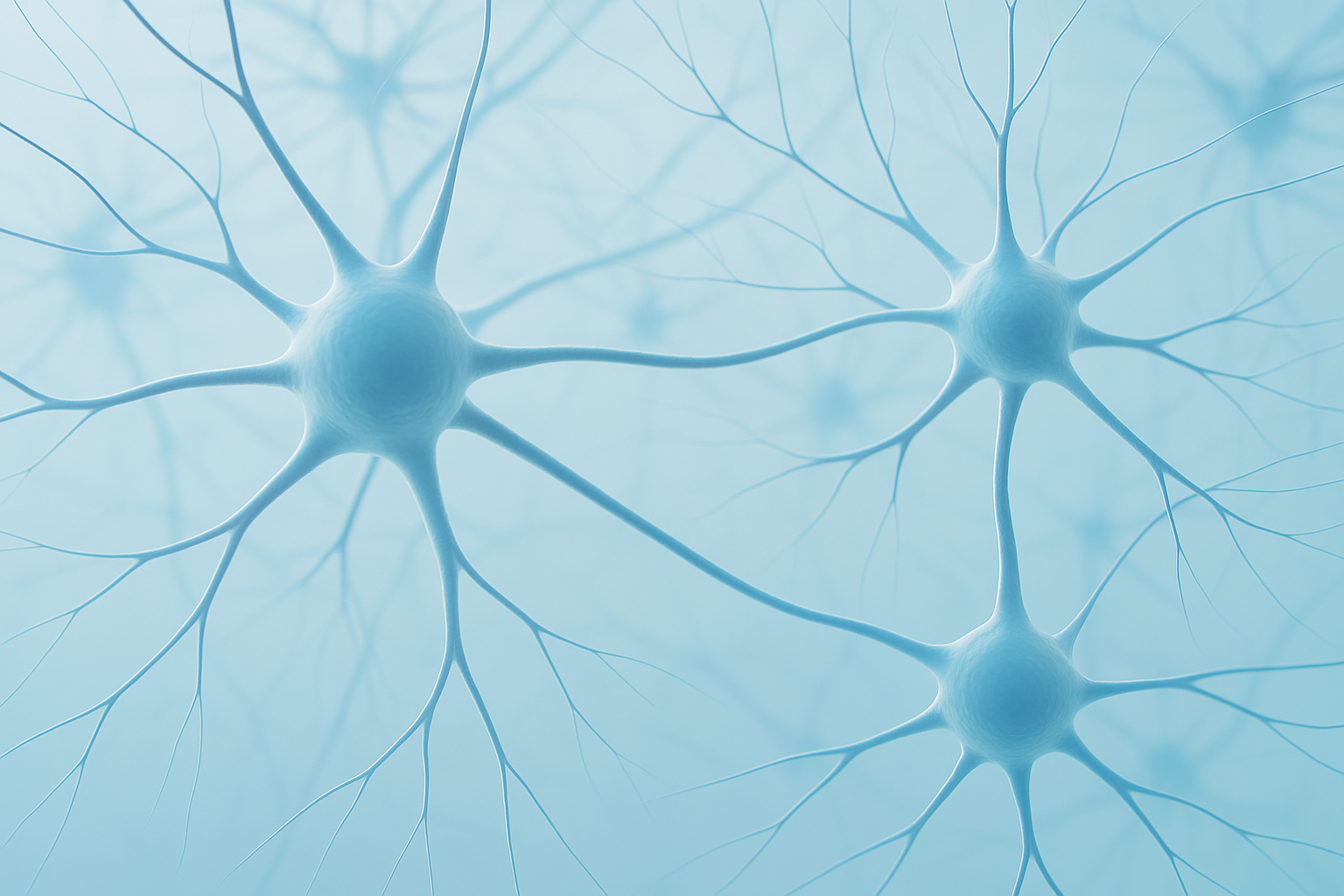
הדמיה של תאי עצב במוח — נוירולוגיה קוגניטיבית

ד״ר טליה נתןDr. Talya Nathan נוירולוגיה קוגניטיביתCognitive Neurology

מומחית לנוירולוגיה | רופאה בכירה ביחידה לנוירולוגיה קוגניטיבית
המרכז הרפואי תל אביב ע״ש סוראסקי איכילוב
Neurology Specialist | Senior Physician in Cognitive Neurology Unit, Tel Aviv Medical Center – Sourasky Ichilov

ד״ר טליה נתן, מומחית לנוירולוגיה קוגניטיבית

אודות ד״ר טליה נתןAbout Dr. Talya Nathan

ד״ר טליה נתן היא נוירולוגית בכירה ביחידה לנוירולוגיה קוגניטיבית במרכז הרפואי סוראסקי (איכילוב), המביאה עמה ניסיון קליני עשיר באבחון וניהול של ירידה קוגניטיבית קלה (MCI) ומחלות הגורמות לדמנציה. ד״ר נתן מתמחה במתן מענה רפואי מקיף למתמודדים עם שינויים קוגניטיביים והתנהגותיים, לרבות מחלת האלצהיימר, דמנציה פרונטוטמפורלית ודמנציה וסקולרית — תוך שימת דגש על יחס אישי, קשוב ואנושי לשימור איכות החיים והתפקוד.Dr. Talya Nathan is a senior neurologist in the Cognitive Neurology Unit at Sourasky Medical Center (Ichilov), bringing extensive clinical experience in diagnosing and managing mild cognitive impairment (MCI) and diseases causing dementia. She specializes in comprehensive care for patients facing cognitive and behavioral changes — including Alzheimer's disease, frontotemporal and vascular dementia — with an emphasis on personal, attentive and compassionate care to preserve quality of life and functioning.

במסגרת עבודתה צברה ד״ר נתן ניסיון רב בשימוש בכלי אבחון מתקדמים ובטיפולים חדשניים, לרבות טיפולים ביולוגיים המעכבים את התקדמות מחלת האלצהיימר. כחוקרת פעילה במחקרים קליניים בינלאומיים, היא משלבת בעבודתה ידע רפואי מתחדש ומיישמת את הגישות הטיפוליות העדכניות ביותר בתחום.In her practice she has gained extensive experience with advanced diagnostic tools and innovative treatments, including biologic therapies that slow the progression of Alzheimer's disease. As an active investigator in international clinical trials, she integrates evolving medical knowledge and applies the most current therapeutic approaches in the field.

המלצות מטופליםPatient reviews

ד״ר נתן בתקשורתDr. Nathan in the media

על פריצות הדרך באבחון וטיפול במחלת האלצהיימר וחשיבות האבחון המוקדם.On breakthroughs in Alzheimer's diagnosis and treatment, and the importance of early detection.

חדשNew ynet · בריאותynet · Health 24.08.2026

לראשונה: בדיקת דם חדשה לאבחון אלצהיימר כבר מגיל 40A first: a new blood test for diagnosing Alzheimer's from age 40

״מדובר בצעד משמעותי שמקרב אותנו למהפכה באופן שבו אנו מאבחנים ומנהלים מחלות ניווניות של המוח״ — ד״ר טליה נתן, ynet"This is a significant step that brings us closer to a revolution in the way we diagnose and manage neurodegenerative brain diseases" — Dr. Talya Nathan, ynet

לכתבה המלאה ב‑ynetRead the full article on ynet

שאלות נפוצותFrequently asked questions

מהי נוירולוגיה קוגניטיבית?What is cognitive neurology? +
נוירולוגיה קוגניטיבית היא תת-התמחות בנוירולוגיה, המתמקדת בקשר שבין תפקוד המוח לבין היכולות השכליות (זיכרון, שפה, קשב וחשיבה) וההתנהגות הרגשית. התחום עוסק באבחון וטיפול במצבים בהם חלה ירידה בתפקודים אלו — מ-MCI ועד מחלות ניווניות כמו אלצהיימר ודמנציה. מטרת הטיפול היא לאבחן במדויק את מקור השינוי, להציע טיפולים להאטת התקדמות המחלה ולשמר את עצמאות המטופל ואיכות חייו.Cognitive neurology is a subspecialty of neurology focusing on the relationship between brain function and intellectual abilities (memory, language, attention and thinking) and emotional behavior. It addresses the diagnosis and treatment of conditions where these functions decline — from MCI to neurodegenerative diseases such as Alzheimer's and dementia. The goal is to accurately diagnose the source of change, offer therapies to slow progression, and preserve the patient's independence and quality of life.
מה גורם לירידה קוגניטיבית?What causes cognitive decline? +
תפקוד קוגניטיבי הוא תהליך מורכב המערב אזורים רבים במוח. מחלות ומצבים רבים יכולים לגרום לירידה — הן מחלות מוחיות והן הפרעות סיסטמיות. דוגמאות: חסר ויטמינים, תופעות לוואי מתרופות, חוסר איזון הורמונלי והפרעות שינה. בנוסף, מחלות מוחיות כמו שבץ או דימום, מחלות דלקתיות, גידולים, חבלות ראש ומחלות ניווניות כמו אלצהיימר. ישנם גם מצבים התפתחותיים מתקופת הילדות, כגון ADHD ולקויות למידה, המאובחנים לעיתים רק בבגרות.Cognitive function is a complex process involving many brain regions. Many diseases and conditions can cause decline — both brain diseases and systemic disorders. Examples include vitamin deficiencies, medication side effects, hormonal imbalance and sleep disorders. Brain causes include stroke or hemorrhage, inflammatory diseases, tumors, head injuries and neurodegenerative diseases such as Alzheimer's. Developmental conditions like ADHD and learning disabilities, sometimes diagnosed only in adulthood, may also contribute.
מתי מומלץ לפנות לנוירולוג.ית קוגניטיבי.ת?When should I consult a cognitive neurologist? +
כאשר קיימת תלונה קוגניטיבית, מומלץ לפנות לנוירולוג.ית קוגניטיבי.ת כדי לאפיין האם אכן קיימת ירידה קוגניטיבית ומהי חומרתה. לאחר מכן תגובש תכנית לבירור הגורם הרפואי, ובהתאם לתוצאות יינתנו המלצות לטיפול ולמעקב לפי הצורך.If a cognitive complaint exists, it's advisable to consult a cognitive neurologist to determine whether cognitive decline is present and its severity. A plan is then formulated to investigate the medical cause, and based on the results, recommendations for treatment and follow-up are provided as needed.
מה מומלץ להביא לפגישה?What should I bring to the appointment? +
מומלץ להגיע עם מלווה המכיר את המטופל היטב. לעיתים קרובות דווקא המלווים מבחינים בקשיים הקוגניטיביים. רצוי להביא (אם יש): סיכום רפואי ורשימת תרופות מרופא המשפחה; סיכומי ביקורים קודמים; תוצאות מבחנים ואבחונים קוגניטיביים קודמים; פענוחים ודיסקים של בדיקות הדמיה (CT ראש / MRI מוח / מיפוי מוח); ותוצאות בדיקות מעבדה כמו בדיקות דם.It's recommended to arrive with a companion who knows the patient well — often it's the companion who notices the cognitive difficulties. If available, please bring: a medical summary and current medication list from your family doctor; previous visit summaries; results of prior cognitive tests; interpretations and discs of imaging studies (head CT / brain MRI / brain scans); and lab results such as blood tests.
למה לצפות בפגישה?What to expect at the appointment? +
הבדיקה מתחילה בתשאול מעמיק (אנמנזה) של המטופל ושל המלווה, לאפיון התלונה הקוגניטיבית וחומרתה. בהמשך מבוצע מבחן להערכה אובייקטיבית — מבחנים נפוצים בישראל כוללים מיני-מנטל (MMSE) ומוקה (MoCA), ולעיתים אבחון נוירופסיכולוגי מקיף יותר. בנוסף מבוצעת בדיקה נוירולוגית גופנית. לפי הצורך יופנו בדיקות עזר: הדמיה (CT, MRI), מיפוי מוח (PET, SPECT), בדיקות דם, בירור ווסקולרי ולעיתים ניקור מותני. שקלול כלל הממצאים מסייע בקביעת אבחנה ובמתן המלצות מותאמות.The exam begins with an in-depth interview (anamnesis) of the patient and companion to characterize the complaint and its severity. An objective test is then performed — common tests in Israel include the MMSE and MoCA, and sometimes a more comprehensive neuropsychological assessment. A physical neurological examination is also performed. As needed, auxiliary tests are ordered: imaging (CT, MRI), brain scans (PET, SPECT), blood tests, vascular workup and sometimes lumbar puncture. Weighing all findings supports an accurate diagnosis and personalized recommendations.

קביעת תור ויצירת קשרAppointments & contact

המרפאה ממוקמת במרכז תל אביב, בנגישות נוחה לכל אזור גוש דן. נשמח לסייע בקביעת תור.The clinic is in central Tel Aviv, easily accessible across the Greater Tel Aviv area. We'd be glad to help you book an appointment.

טלפוןPhone03-5496949 WhatsApp050-2804723 דוא״לEmail{{ email }}
כתובתAddressהמרכז הישראלי לשבץ
ויצמן 14 (מגדל ויצמן), קומה 18, תל אביב-יפו
Israeli Stroke Center
Weizmann 14 (Weizmann Tower), Floor 18, Tel Aviv-Yafo
חייגו לקביעת תורCall to book